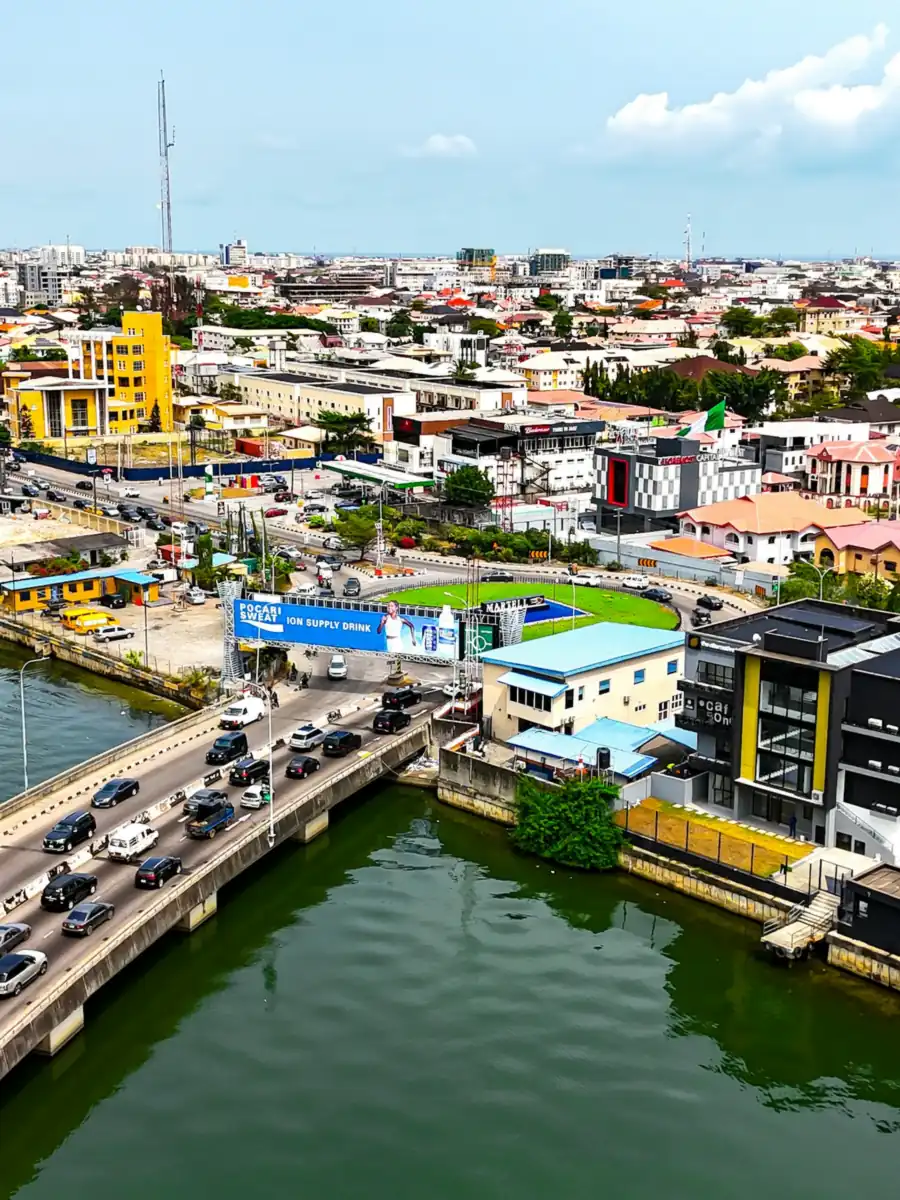
Law Firms in Nigeria (2026)
Find the leading law firms in Nigeria: firm profiles, practice areas and direct contacts.
- Law firms
- 507
- Cities
- 23
Global Law Lists has 507 law firms in Nigeria, most in Abuja (45), Lekki (26) and Ikeja (14). The practice areas they list most are Litigation, Real Estate Law and Intellectual Property Law. Looking for an individual lawyer? See 5 lawyer profiles in Nigeria. 2 law firms on this page list a phone number (see contact numbers).


A full-service Nigerian law firm with offices in Abuja and Lagos, providing corporate, commercial, dispute resolution, and advisory services to both local and international…
Capabilities/Areas: Full Services Law Firm
Address: Abuja Office Suite 48/49, 1st floor, Trinity Plaza, Mabushi
State: Federal Capital Territory
Country: Nigeria


A full-service Nigerian law firm based in Lagos, advising clients across dispute resolution, business transactions, and policy matters.
Capabilities/Areas: Full Services Law Firm
Address: Florence Place. 7B, Iweanya Ugbogoh Crescent, Lekki 1, Lagos.
State: Lagos
Country: Nigeria
1ST Attorneys is a law firm in Lagos, Nigeria.
Capabilities/Areas: Notary Law
State: Lagos
Country: Nigeria
234legal is a law firm in Lagos, Nigeria.
Capabilities/Areas: General Practice
State: Lagos
Country: Nigeria
24 Law Chambers is a law firm in Nigeria.
Capabilities/Areas: General Practice
Country: Nigeria
664 Legal is a law firm in Lagos, Nigeria.
Capabilities/Areas: General Practice
State: Lagos
Country: Nigeria
A & e Law Partnership is a law firm in Abuja, Fct, Nigeria.
Capabilities/Areas: Litigation
State: Federal Capital Territory
Country: Nigeria
A.O. Alegeh & Co is a law firm in Lagos, Nigeria.
Capabilities/Areas: Litigation
State: Lagos
Country: Nigeria
Aaa Chambers is a law firm in Lagos, Nigeria.
Capabilities/Areas: Restructuring and Insolvency Law
State: Lagos
Country: Nigeria
Aaer Law is a law firm in Nigeria.
Capabilities/Areas: General Practice
Country: Nigeria
Contact numbers for law firms in Nigeria
- Ani Martins & AssociatesAbuja, Nigeria+2348025422901
- Esher & MakariosLekki, Nigeria+234-020-1-3428150
As listed on each profile. Profiles compiled from public sources are unverified until the firm claims them; call to confirm before you rely on a number.
Questions about law firms in Nigeria
What are the contact numbers of law firms in Nigeria?
As listed on their profiles: Ani Martins & Associates (+2348025422901) and Esher & Makarios (+234-020-1-3428150). Each profile also gives the office address and website.
How are law firms in Nigeria ordered?
Members of the network appear first, then the other profiles. You can sort by name, newest, distance or popularity, and filter by practice area or city.
How can a firm in Nigeria be added?
Profiles are added from public records at no cost. A firm that joins the network manages its own profile and can complete verification: bar or law society standing, identity and proof of practice.
Hiring a lawyer or law firm in Nigeria
Read the guide
Find Trusted Lawyers in Nigeria | Legal Services Across Africa
Nigeria, Africa's largest economy and most populous nation (over 220 million people), has one of the continent's largest, most sophisticated, and most competitive legal professions. Accessing experienced lawyers in Nigeria is essential for navigating the country's complex multi-layered legal landscape, which encompasses English common law, customary law, and Islamic (Sharia) law. With a dominant oil and gas sector, one of Africa's most developed financial markets, and a booming technology ecosystem (Lagos is Africa's tech capital), Nigeria's legal market is among the most dynamic in the world. Leading law firms in Nigeria offer world-class expertise, and Global Law Lists is your premier resource for verified legal services in Nigeria, part of our comprehensive Africa legal directory.
Understanding Nigeria's Legal System
Nigeria's legal system is one of the most complex in Africa, featuring three concurrent legal systems: English common law (the primary system for commercial and civil matters); customary law (varying by ethnic group and region); and Islamic (Sharia) law (applicable in the 12 northern states for personal status, and in some states for criminal matters). The 1999 Constitution (as amended) is the supreme law and establishes a federal system with 36 states and the Federal Capital Territory (Abuja). The interplay between these legal systems creates significant complexity requiring specialized legal knowledge.
Court Hierarchy and Judicial Structure
Nigeria's judiciary is highly structured and specialized: Magistrates' Courts / Area Courts / Customary Courts handle initial matters; State High Courts have general jurisdiction within their states; the Federal High Court has exclusive jurisdiction over federal matters including taxation, banking, petroleum, and admiralty; the National Industrial Court handles labor and employment disputes; the Investment and Securities Tribunal addresses capital markets disputes; the Tax Appeal Tribunal hears tax cases; the Court of Appeal hears appeals from all superior courts; and the Supreme Court is the final court of appeal. Sharia Courts of Appeal operate in northern states. The Lagos Court of Arbitration (LCA) and other institutions support a growing arbitration practice. Nigeria has ratified the New York Convention.
Bar Association and Regulatory Framework
The Nigerian Bar Association (NBA) is one of Africa's largest professional legal bodies. The Body of Benchers oversees call to the Nigerian Bar. Nigeria has approximately 120,000-150,000 registered lawyers, making it by far the largest legal profession in Africa. Admission requires a law degree (LLB), completion of the Nigerian Law School (BL), and call to the Bar by the Body of Benchers. The designation Senior Advocate of Nigeria (SAN) — equivalent to King's Counsel/Queen's Counsel — is the highest professional honor, with approximately 600 SANs. Lagos is the primary commercial and legal hub, with Abuja (the capital), Port Harcourt (oil capital), and other cities hosting significant practices.
Fee Structures and Legal Costs
Senior partners at top Lagos firms charge USD 300 to USD 800 per hour for complex international transactions. Mid-level associates: USD 100-300. SAN rates for litigation can be significantly higher, with daily rates of USD 5,000-20,000+ for major cases. Flat fees are common for company formation, immigration, contracts, and routine litigation. Nigeria's competitive legal market allows fee negotiation. Alternative fee arrangements include retainers, capped fees, success fees, and blended rates.
Can Foreign Lawyers Practice in Nigeria?
Foreign lawyers cannot practice Nigerian law. The Legal Practitioners Act restricts legal practice to lawyers called to the Nigerian Bar. Foreign law firms cannot establish offices in Nigeria. Foreign lawyers can advise on their home jurisdiction's law and collaborate with Nigerian firms on cross-border transactions. This is one of the most restrictive regimes for foreign legal practice in Africa, making engagement of qualified local counsel essential.
Key Practice Areas in Demand
Oil and gas law (Africa's largest producer); banking and finance; capital markets; corporate M&A; energy (including power sector reform and renewables); telecommunications; technology and fintech (Africa's leading fintech market); real estate and construction; infrastructure and PPP; tax advisory; labor law; IP; maritime and admiralty; competition law; data protection; litigation and arbitration; private equity and venture capital; entertainment and media law.
Recent Legal Reforms
Major reforms include: the Companies and Allied Matters Act (CAMA) 2020 modernizing company law; Nigeria Data Protection Regulation (NDPR) and establishment of NITDA as data protection authority; Finance Act reforms to tax framework; Petroleum Industry Act (PIA) 2021 transforming oil and gas governance; Startup Act (2022) supporting the tech ecosystem; Nigerian Investment Promotion Commission reforms; bankruptcy law modernization; and electricity sector reforms.
Frequently Asked Questions About Lawyers in Nigeria
What types of lawyers are available in Nigeria?
Oil and gas, banking and finance, capital markets, M&A, energy, telecom, technology/fintech, real estate, infrastructure, tax, labor, IP, maritime, competition, data protection, litigation/arbitration, PE/VC, and entertainment.
How much does a lawyer cost in Nigeria?
Senior partners (top firms): USD 300-800/hour. Mid-level: USD 100-300. SANs for major litigation: USD 5,000-20,000+/day. Flat fees for routine services.
What is a Senior Advocate of Nigeria (SAN)?
The SAN designation is the highest professional honor in Nigerian legal practice, equivalent to King's Counsel. Approximately 600 lawyers hold this title, and they command premium fees for complex litigation.
How does Nigeria's triple legal system work?
Common law governs commercial and civil matters nationally. Customary law varies by ethnic group. Sharia law applies in 12 northern states for personal status (and in some states, criminal matters). The 1999 Constitution is supreme over all three systems.
Can a foreign lawyer or firm operate in Nigeria?
No. The Legal Practitioners Act restricts practice to Nigerian Bar members. Foreign firms cannot establish offices. They must collaborate with local counsel for all Nigerian matters.
What recent reforms affect business?
CAMA 2020, Petroleum Industry Act 2021, Startup Act 2022, NDPR/data protection framework, Finance Act reforms, and electricity sector liberalization.
How do I verify credentials?
The Nigerian Bar Association maintains the roll and issues annual practicing certificates. The Body of Benchers oversees call to the Bar. SAN lists are publicly available.
Do I need a lawyer for business?
Essential. Nigeria's complex regulatory environment — company law, tax, labor, foreign exchange, local content (oil and gas), environmental regulations, and sector-specific licensing — demands professional legal guidance.
Visit the Global Law Lists directory to discover verified lawyers and law firms in Nigeria. Part of our Africa legal directory, Nigeria listings connect to professionals in Lagos, Abuja, Port Harcourt, Kano, Ibadan, Calabar, Enugu, Benin City, and across the continent.
For law firms and lawyers
Is your firm listed in Nigeria?
Firms already in our records are listed at no cost. Claim your profile to manage it, or join the network to add your firm and get verified.