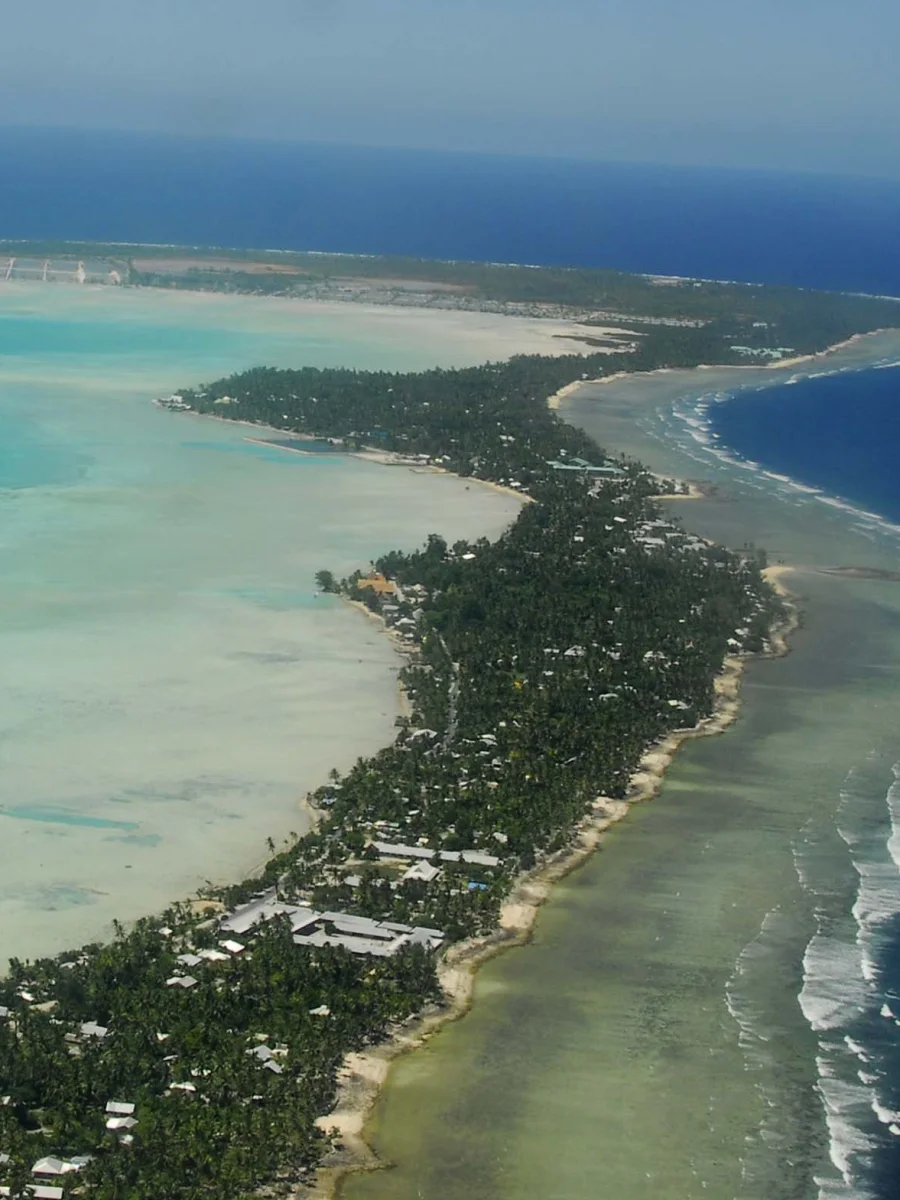
Lawyers near Kiribati (2026)
Find law firms near Kiribati: offices, websites and direct contacts.
No individual lawyer profile is listed in Kiribati yet, but 2 law firms in Kiribati are, including MK Law & Co and Tiale Law. 6 firms list a phone number (see contact numbers). Each firm profile gives the office address, website and practice areas.
No lawyers listed in Kiribati yet
Is your practice here? Lawyers already in our records are listed at no cost. Claim your profile to manage it, or join the network to add your profile and get verified.
Law firms near Kiribati
Kiribati law firm in Bairiki, Tarawa, established in 2007.
Capabilities/Areas:Practice: Property Law
Address: Room 12, Bairiki Supermall, Bairiki, Tarawa, Republic of Kiribati
Address: Room 12, Bairiki Supermall, Bairiki, Tarawa, Republic of Kiribati
State: Gilbert Islands
Country: Kiribati

Funafuti-based law firm and member of the Pacific Legal Network.
Capabilities/Areas:Practice: Litigation
Address: Senala Side, Funafuti, Tuvalu
Address: Senala Side, Funafuti, Tuvalu
State: Funafuti
Country: Tuvalu
Drake & Co is a well-established law firm in Apia, Samoa, providing legal services across corporate and commercial law, property and conveyanci...
Capabilities/Areas:Practice: Full Services Law Firm
Address: Level 1, Laufusi Centre, Beach Road, Apia, Samoa
Address: Level 1, Laufusi Centre, Beach Road, Apia
State: Tuamasaga
Country: Samoa

MLSC provides free civil legal aid across Micronesia, promoting justice and fairness for low-income and vulnerable communities.
Capabilities/Areas:Practice: Full Services Law Firm
Address: X687+X82, Kolonia, Micronesia
Address: X687+X82
State: Pohnpei State
Country: Micronesia
Honiara-based law practice offering commercial, land, maritime, and litigation services in Solomon Islands.
Capabilities/Areas:Practice: Litigation
Address: Office Suite 18, Holiday Resort Compound, 2nd Floor, Henderson, P O Box R17, Honiara, Solomon Islands
Address: Office Suite 18, Holiday Resort Compound, 2nd Floor, Henderson, P O Box R17, Honiara, Solomon Islands
State: Guadalcanal Province
Country: Solomon Islands
Full-service commercial law firm in Honiara, founded 1996.
Capabilities/Areas:Practice: Litigation
Address: Level 6, Anthony Saru Building, Coronation Avenue, Honiara, Solomon Islands
Address: Level 6, Anthony Saru Building, Coronation Avenue, Honiara, Solomon Islands
State: Guadalcanal Province
Country: Solomon Islands
Which other law firms are near Kiribati?
- Whitlam K Togamae LawyersHoniara, Solomon Islands1,867 km
- Bridge Legal & Consultancy FirmHoniara, Solomon Islands1,867 km
Contact numbers for lawyers near Kiribati
- MK Law & CoTarawa, Kiribati+686 73073204
- Tiale LawFunafuti, Tuvalu+61499647424
- Drake & CoApia, Samoa+685 23 900
- Micronesian Legal Services CorporationKolonia, Micronesia+6913202404
- Peter Teddy Law PracticeHoniara, Solomon Islands+677-36079
- Whitlam K Togamae LawyersHoniara, Solomon Islands+677 22319
As listed on each profile. Profiles compiled from public sources are unverified until the firm claims them; call to confirm before you rely on a number.
How do I choose a lawyer for a matter in Kiribati?
- Look for a firm that handles your kind of matter and works in the courts or offices that will deal with it, usually in Kiribati.
- Ask whether the lawyer will travel to Kiribati or work remotely, and how that changes the fee.
- Confirm the lawyer is admitted and in good standing with the bar or law society in Kiribati, and ask for a written fee estimate.
Questions about lawyers near Kiribati
What are the contact numbers of lawyers near Kiribati?
The firms nearest to Kiribati that list a phone number on their profile: MK Law & Co (+686 73073204), Tiale Law (+61499647424), Drake & Co (+685 23 900) and Micronesian Legal Services Corporation (+6913202404).
Can a lawyer outside Kiribati take my matter?
Usually, yes. Many matters are handled by a firm in the nearest town or the regional capital. Ask whether the lawyer is licensed for the courts that will hear your case.
Hiring a lawyer in Kiribati
Read the guide
Locating experienced lawyers in Kiribati can be challenging given the small size and remote location of this Pacific island republic, yet legal representation remains vital for residents and visitors alike. Law firms in Kiribati are limited in number but provide essential legal services across civil, criminal, and commercial matters. Legal services in Kiribati are shaped by the country's unique combination of English common law traditions and customary practices that reflect the I-Kiribati culture and way of life across this nation of 33 atolls and reef islands spread across 3.5 million square kilometres of ocean in the central Pacific.
Kiribati has one of the smallest legal professions in the world, with fewer than 20 qualified lawyers serving a population of approximately 130,000 people. The legal profession is regulated under the Legal Practitioners Ordinance, and practitioners must be admitted by the High Court of Kiribati. Most lawyers are based in South Tarawa, the capital, leaving residents on the outer islands with extremely limited access to legal services. The University of the South Pacific (USP) law programme has been instrumental in training I-Kiribati lawyers, with graduates returning to serve their communities.
What Types of Lawyers Are Available in Kiribati?
Due to Kiribati's small legal market, most lawyers in Kiribati are general practitioners who handle a broad range of matters. These include criminal defence, civil litigation, family law (including divorce, custody, and adoption), property transactions, and basic commercial law. Government lawyers in the Attorney General's Office handle prosecution and provide legal advice to government ministries and public enterprises. Some lawyers have particular experience in land law, which is a critically important area given the significance of land ownership in I-Kiribati culture and the extreme scarcity of land on low-lying atolls.
Environmental and maritime law are emerging specialisations in Kiribati, reflecting the country's vulnerability to climate change and rising sea levels — Kiribati's highest point is only 3 metres above sea level. The country's vast Exclusive Economic Zone (EEZ) spanning over 3.5 million square kilometres makes fisheries law critically important, particularly the licensing of foreign fishing vessels through arrangements like the Parties to the Nauru Agreement (PNA) Vessel Day Scheme. Constitutional law matters arise under the Constitution of Kiribati. For complex commercial or international matters, clients may need to engage lawyers from Australia, New Zealand, or Fiji who have experience with Pacific Island legal systems.
How Does the Legal System Work in Kiribati?
Kiribati's legal system is based on English common law, inherited through its history as the Gilbert Islands under British colonial administration. The country gained independence in 1979, and the Constitution of Kiribati is the supreme law, establishing a presidential system of government where the Beretitenti (President) serves as both head of state and head of government. The court system comprises the Court of Appeal (with judges often drawn from other Commonwealth jurisdictions such as Australia and New Zealand), the High Court, Magistrates' Courts, and specialised courts including the Lands Court, which deals with disputes over customary land ownership.
Customary law plays a significant role in Kiribati, particularly in matters relating to land, family relationships, and community governance. Island Councils established under the Local Government Act exercise limited judicial functions at the local level, dealing with minor offences and disputes in accordance with local customs. The Maneaba ni Maungatabu (Parliament) is the legislative body, and laws enacted by Parliament are applied alongside common law principles and customary practices. The legal system faces significant challenges related to the country's geographic dispersal across atolls and islands spanning four time zones.
How Much Does a Lawyer Cost in Kiribati?
Legal fees in Kiribati are generally modest compared to developed nations, reflecting the local cost of living. Private lawyers typically charge rates that are accessible to local clients, though specific hourly rates vary. Legal costs for standard matters like simple civil disputes or basic contracts may range from AUD $50 to $150 per hour equivalent. For many I-Kiribati citizens, cost remains a significant barrier to accessing legal services, particularly for those on outer islands far from the capital Tarawa.
The government provides legal aid through the Public Solicitor's Office, which offers free legal representation to individuals who cannot afford private lawyers, particularly in criminal matters. The People's Lawyer office also provides legal assistance in certain civil matters, handling thousands of enquiries annually. For international businesses or foreign nationals requiring legal services in Kiribati, engaging a regional firm with Kiribati experience from Australia, New Zealand, or Fiji may be a practical option.
How Do I Find the Best Law Firm in Kiribati?
The legal profession in Kiribati is small, with only a limited number of practising lawyers, most of whom are based in South Tarawa. Finding the right lawyer requires personal recommendations, consultation with the Kiribati Law Society, or inquiries through government legal offices. The small size of the profession means that most practitioners are known within the community and their reputations are well established.
Global Law Lists can help connect you with verified legal professionals who serve clients in Kiribati, including regional firms with Pacific Islands expertise. For complex or specialised matters, it may be necessary to engage lawyers from larger Pacific jurisdictions such as Australia, New Zealand, or Fiji, who can collaborate with local counsel in Kiribati. The Pacific Islands Legal Information Institute (PacLII) provides access to Kiribati legislation and court decisions that can help you understand the legal landscape.
Can Foreign Lawyers Practice in Kiribati?
Foreign lawyers are generally not permitted to practise in Kiribati without being admitted to the local Bar. Admission requirements are governed by the Legal Practitioners Ordinance and typically require appropriate legal qualifications recognised by the High Court. In practice, given the shortage of locally qualified lawyers, foreign lawyers — particularly from Australia, New Zealand, and other Commonwealth countries — may be granted permission to appear in Kiribati courts on a case-by-case basis, often in connection with significant commercial or constitutional matters.
International organisations operating in Kiribati, including development agencies such as the Asian Development Bank (ADB), World Bank, and various UN agencies and NGOs, sometimes bring in foreign legal advisors for specific projects, though they typically work alongside local counsel familiar with Kiribati law and custom. The Pacific Islands Forum and regional legal cooperation programmes also support legal capacity building in Kiribati.
What Are the Top Practice Areas in Kiribati?
Land law is the most significant practice area in Kiribati, as land ownership is deeply connected to identity, culture, and family lineage. Disputes over land are common and are heard by specialised Lands Courts that apply both statute and custom. Criminal law is another major area, with the Public Solicitor's Office providing defence services. Family law matters, including marriage, divorce, and custody, are handled under a combination of statute and customary practice.
Environmental and climate change law is of growing importance as Kiribati faces the existential threat of sea-level rise — the former President declared the country might need to relocate its entire population. Maritime and fisheries law is significant given Kiribati's enormous EEZ and the importance of tuna fishing to the national economy, with fishing licence revenues generating over 60% of government revenue. Constitutional and public law matters arise periodically, particularly in relation to elections and governance. Commercial law is growing as Kiribati develops its economic partnerships and seeks to attract sustainable foreign investment.
Do I Need a Lawyer for Business in Kiribati?
Legal advice is strongly recommended for anyone looking to do business in Kiribati, given the unique regulatory environment. A lawyer can assist with company registration, obtaining business licences, and ensuring compliance with the Foreign Investment Act, which regulates the types of business activities open to foreign investors and requires registration with the Foreign Investment Commission. Legal guidance is essential for negotiating land access arrangements, as most land in Kiribati is held under customary tenure and cannot be purchased by foreigners.
For businesses involved in fisheries, maritime activities, or natural resource management, specialised legal advice on licensing and environmental compliance is critical. The Phoenix Islands Protected Area (PIPA), one of the world's largest marine protected areas, has specific regulatory requirements. Use the Global Law Lists directory to find lawyers and law firms with experience in Kiribati and the broader Pacific region.
For law firms and lawyers
Is your practice listed in Kiribati?
Lawyers already in our records are listed at no cost. Claim your profile to manage it, or join the network to add your profile and get verified.