Property Law Firms in Tehran Province, Iran (2026)
Find property law firms in Tehran Province, Iran: profiles, offices and direct contacts.
Compare with all 52 law firms in Tehran Province and property law firms worldwide. Compare with all 52 law firms in Tehran Province and property law firms worldwide.
No law firms listed in Tehran Province yet
Is your practice here? Firms already in our records are listed at no cost. Claim your profile to manage it, or join the network to add your firm and get verified.
List your law firmAdd your profileView law firmsView lawyers
What does a property lawyer do?
Property law covers rights in land, buildings and other property: ownership, title, leases, easements, mortgages and boundaries. Lawyers check title, prepare transfer documents, advise on co-ownership and resolve property disputes. Registration systems, foreign-ownership rules and formalities differ widely between countries.
How do I choose a property lawyer in Tehran Province?
- Ask whether the lawyer will search the land or title register and explain any charges or restrictions they find.
- If you are a foreign buyer, ask about local rules on foreign ownership and the taxes due on transfer.
- Bring the title deed or registry extract, plans and any existing lease or mortgage documents.
- Confirm the lawyer is admitted and in good standing with the bar or law society in Iran, and ask who will handle your matter.
Hiring a lawyer or law firm in Tehran Province
Read the guide
Find a Lawyer in Tehran, Iran
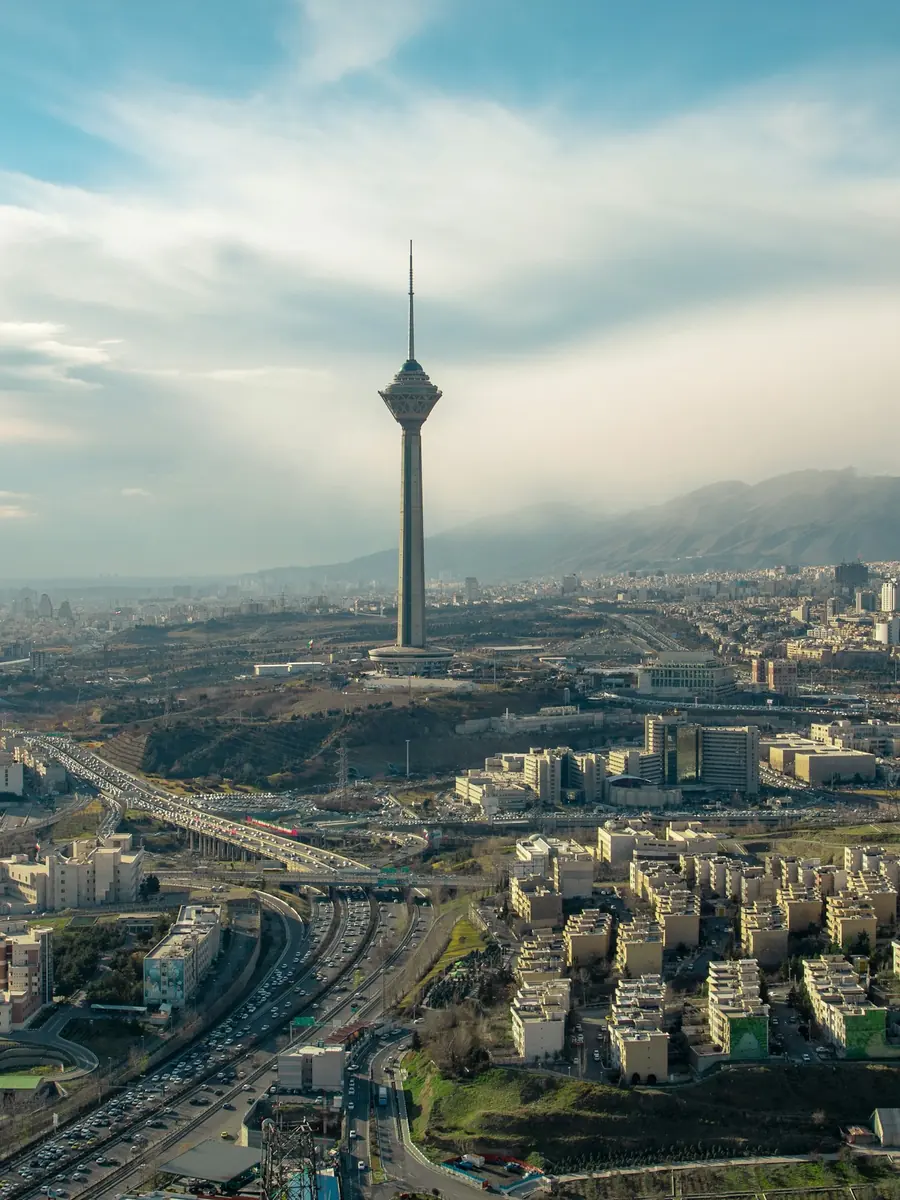
Tehran is the capital and largest city of the Islamic Republic of Iran, serving as the nation's judicial, governmental, and commercial center. The Iranian Bar Association (Kanoon-e Vokala-ye Dadgostari), founded in 1911, along with the Legal Advisors of the Judiciary (Article 187 lawyers), oversee a combined legal profession of approximately 80,000 practitioners. Tehran hosts the country's highest courts and the largest concentration of legal talent, serving industries including oil and petrochemicals, automotive manufacturing, pharmaceuticals, construction, banking, telecommunications, mining, and agriculture. Established firms and practitioners operate from offices throughout the city's central districts including Vali-e Asr, Mirdamad, and Jordan (Africa) Boulevard.
The Supreme Court of Iran (Divan-e Ali-ye Keshvar) in Tehran serves as the highest appellate court. The Tehran Province General and Revolutionary Courts and the Tehran Court of Appeal handle the largest volume of civil, criminal, and commercial cases. Iran's legal system is based on Islamic civil law (derived primarily from Shia Ja'fari jurisprudence), with the Constitution of the Islamic Republic of Iran 1979 (amended 1989) as the foundational document, requiring all laws to conform with Islamic principles as determined by the Guardian Council.
Frequently Asked Questions About Legal Services in Tehran
1. How much do lawyers charge in Tehran?
Legal fees in Tehran vary based on the lawyer's experience, specialization, and case complexity. Experienced advocates typically charge IRR 50,000,000 to IRR 300,000,000 per case (approximately $100–$600 USD at prevailing exchange rates) for standard civil and criminal litigation. Corporate and commercial advisory work at established practices ranges from IRR 20,000,000 to IRR 100,000,000 per consultation. Fixed-fee arrangements are common for property transactions, contract drafting, and company formation. Supreme Court appearances by senior advocates command premium fees.
2. What are the key legal practice areas in Tehran?
Tehran lawyers specialize in oil, gas, and petrochemical law, commercial and corporate law, banking and finance (including Islamic banking principles), real estate and property transactions, family and personal status law, criminal defense, labor and employment law, customs and international trade, and intellectual property. Additional areas include mining and natural resources, telecommunications regulation, tax law, construction and engineering contracts, and administrative law (dealings with government agencies and regulatory bodies).
3. How is the court system structured in Tehran?
Iran's judiciary operates through multiple court systems. The Supreme Court (Divan-e Ali) in Tehran reviews lower court decisions on points of law. The Courts of Appeal hear appeals from first-instance courts. General Courts (Public Courts) handle civil and criminal cases, divided into Civil Branch Courts and Criminal Branch Courts (categorized into Criminal Courts 1, 2, and 3 based on offence severity). Revolutionary Courts handle cases involving national security, narcotics, and certain financial crimes. Family Courts address divorce, custody, and personal status matters. The Administrative Justice Court (Divan-e Edalat-e Edari) reviews government decisions and administrative disputes. Commercial Courts operate within the general court structure for business disputes.
4. Can foreign lawyers practice in Tehran?
Foreign lawyers are not permitted to practice Iranian law or appear before Iranian courts. Due to the international sanctions environment, very few international law firms maintain any presence in Iran. Foreign legal professionals advising on Iran-related matters typically operate from offices in Dubai, Istanbul, London, or Paris. Iranian lawyers qualified abroad may also hold Iranian Bar Association membership, facilitating cross-border legal services. All legal representation in Iranian courts must be conducted by members of the Iranian Bar Association or Article 187 legal advisors.
5. What industries drive legal demand in Tehran?
The oil, gas, and petrochemical sector is the cornerstone of Iran's economy, generating extensive legal work in contracts, joint ventures, and regulatory compliance. Automotive manufacturing (Iran Khodro, SAIPA), pharmaceuticals, construction and real estate, banking and insurance (governed by Central Bank of Iran regulations), telecommunications, mining, agriculture, and retail trade create significant legal demand. Iran's large domestic market of approximately 88 million people sustains substantial internal commercial legal activity.
6. What should businesses know about Iranian commercial law?
Iran's commercial framework is governed by the Commercial Code (Qanun-e Tejarat) and the Civil Code, both informed by Islamic legal principles. Company formation follows procedures established under the Commercial Code, with registration through the Companies Registration Office. The Foreign Investment Promotion and Protection Act (FIPPA) provides the framework for foreign investment, offering protections including profit repatriation rights. However, businesses must navigate complex international sanctions regimes imposed by the US, EU, and other jurisdictions, making specialized sanctions compliance advice essential for any Iran-related commercial activity.
7. How do I verify a lawyer's credentials in Tehran?
Lawyers in Iran fall into two categories: members of the Iranian Bar Association (Kanoon-e Vokala) and Article 187 Legal Advisors licensed through the Judiciary. The Iranian Bar Association maintains a register of its members, who must hold a law degree, pass the bar examination, and complete an apprenticeship period. Article 187 advisors are licensed directly by the judiciary under separate requirements. Both categories are authorized to appear in Iranian courts. Global Law Lists provides a directory of legal professionals in Tehran to help connect you with qualified Iranian legal counsel.
For law firms and lawyers
Is your firm listed in Tehran Province?
Firms already in our records are listed at no cost. Claim your profile to manage it, or join the network to add your firm and get verified.