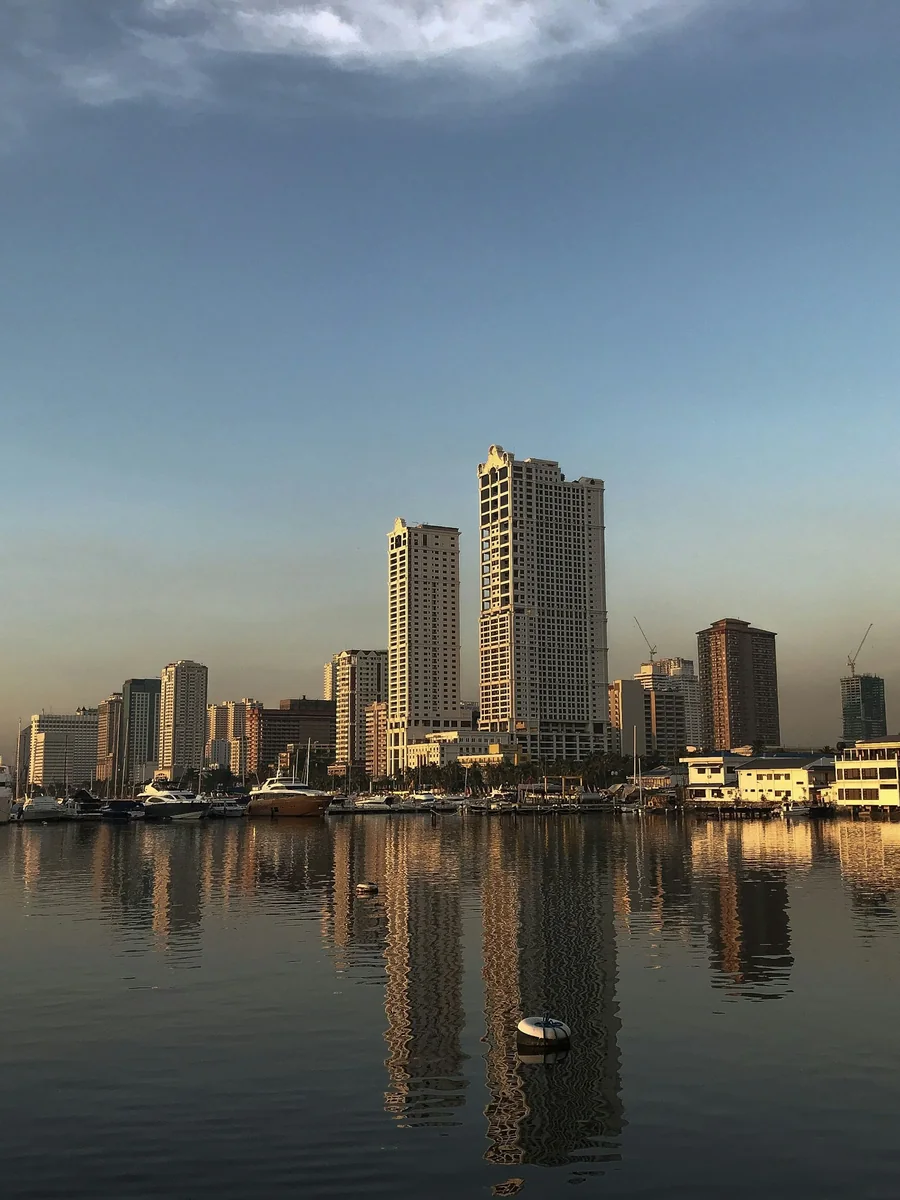
Maritime Lawyers in Manila, Metro Manila, Philippines (2026)
Find maritime law firms in Manila, Philippines: profiles, offices and direct contacts.
Global Law Lists has 1 maritime law firm in Manila, Metro Manila, Philippines: Abejo Rosario Tayag & Santos Law Offices. Compare with all 50 law firms in Manila and maritime law firms worldwide.

Abejo Rosario Tayag & Santos Law Offices is a law firm in Manila, Philippines.
Capabilities/Areas: Immigration Law
State: Metro Manila
Country: Philippines
What does a maritime lawyer do?
Maritime or admiralty law covers ships and the carriage of goods by sea: charterparties, bills of lading, cargo and collision claims, ship arrest, marine insurance, salvage, crew matters and ship sale and finance.
How do I choose a maritime lawyer in Manila?
- Ask whether the lawyer can arrest or release a vessel quickly in the relevant port.
- Check experience with the type of claim, as cargo, collision and charter disputes differ.
- Bring the bill of lading or charterparty, survey reports and the ship’s documents.
- Check the licence: Search the Supreme Court's Lawyers List (sc.judiciary.gov.ph), which reproduces the Roll of Attorneys with roll number and date. It confirms admission, not current good standing, so also ask for the lawyer's current IBP membership.
Questions about maritime lawyers in Manila
How can I check that a lawyer in Philippines is licensed?
Search the Supreme Court's Lawyers List (sc.judiciary.gov.ph), which reproduces the Roll of Attorneys with roll number and date. It confirms admission, not current good standing, so also ask for the lawyer's current IBP membership.
Hiring a lawyer or law firm in Manila
Read the guide
Find a Lawyer in Manila, Philippines
Manila and the broader Metro Manila (National Capital Region) constitute the legal center of the Philippines, home to the vast majority of the nation's approximately 45,000 licensed attorneys admitted to the Integrated Bar of the Philippines (IBP). The legal profession is governed by the Supreme Court of the Philippines and operates under a common law tradition influenced by American legal principles. Prominent firms include SyCip Salazar Hernandez & Gatmaitan (SyCipLaw), Romulo Mabanta Buenaventura Sayoc & de los Angeles, Quisumbing Torres (Baker McKenzie member), Puno and Puno, and Villaraza & Angangco, concentrated in the Makati CBD and BGC (Bonifacio Global City).
Manila is the seat of the Supreme Court of the Philippines, the Court of Appeals, the Sandiganbayan (anti-graft court), and the Court of Tax Appeals. Regional Trial Courts and Metropolitan Trial Courts handle first-instance matters. The Philippine Dispute Resolution Center (PDRC) and the Philippine Chamber of Commerce Arbitration provide ADR services.
Frequently Asked Questions About Legal Services in Manila
1. What are legal fees in Manila?
Senior partners at top Manila law firms charge between ₱10,000 to ₱25,000 per hour (approximately $175–$435 USD). Mid-level associates bill at ₱5,000 to ₱12,000 per hour ($87–$210 USD). Smaller practices and solo practitioners offer rates from ₱2,000 to ₱5,000 per hour ($35–$87 USD). Retainer arrangements starting at ₱25,000 to ₱100,000 per month ($435–$1,740 USD) are common for corporate clients.
2. What are the main legal practice areas?
Manila attorneys practice in corporate law, banking and finance, mining and natural resources, energy and power, real estate, labor and employment, BPO/IT-BPM sector regulation, and immigration. The Philippines' Business Process Outsourcing (BPO) industry, public-private partnership (PPP) infrastructure projects, and renewable energy development generate significant specialized legal work.
3. How does the Philippine court system work?
The Philippine judiciary follows a hierarchical structure: Metropolitan/Municipal Trial Courts handle minor cases, Regional Trial Courts manage significant civil and criminal matters, the Court of Appeals reviews lower court decisions, and the Supreme Court serves as the final arbiter. Specialized courts include the Court of Tax Appeals and the Sandiganbayan for corruption cases involving public officials.
4. What foreign investment restrictions exist in the Philippines?
The Foreign Investments Act and the Philippine Foreign Investment Negative List restrict or limit foreign ownership in certain sectors. The Amended Public Service Act (2022) liberalized foreign ownership in telecommunications, airlines, shipping, and railways. Manila lawyers advise on PEZA (Philippine Economic Zone Authority) registration, BOI incentives, and corporate structuring to comply with nationality requirements.
5. Can foreign lawyers practice in Manila?
No. The practice of law in the Philippines is restricted to Filipino citizens who have passed the Philippine Bar Examination and are members of the Integrated Bar of the Philippines. Foreign lawyers may serve as consultants on foreign law matters but cannot appear in Philippine courts or provide Philippine legal advice.
6. What ADR services are available in Manila?
The Philippine Dispute Resolution Center (PDRC) administers arbitration and mediation under the ADR Act of 2004. The Construction Industry Arbitration Commission (CIAC) handles construction disputes. Court-annexed mediation is mandatory for civil cases. The Philippines recognizes and enforces foreign arbitral awards under the New York Convention and the UNCITRAL Model Law.
7. What is the typical timeline for litigation in Manila?
Civil litigation in Manila's Regional Trial Courts often takes 3 to 7 years due to heavy caseloads and procedural delays. Appeals may add 2 to 5 years. The Supreme Court has issued reforms including the Rules on Expedited Procedures and mandatory continuous trial rules to reduce case disposition times. Arbitration through the PDRC typically resolves within 12 to 24 months.
For law firms and lawyers
Is your firm listed in Manila?
Firms already in our records are listed at no cost. Claim your profile to manage it, or join the network to add your firm and get verified.